The Komodo Explorer, 4 Days / 3 Nights
Four Days in Komodo
I did Komodo the wrong way the first time. Three nights on a Phinisi showed me what I had missed.
The Komodo Explorer, 4 Days / 3 Nights · Private charter from Labuan Bajo
On the second night we were anchored somewhere with no other light in any direction. I went up to the top deck at about eleven and stood there for a long time. That is the memory I kept — not the dragons, not Padar. The dark.
The first time I went to Komodo I did it the way most people do. I flew into Labuan Bajo in the morning, joined a day boat, saw four islands before lunch, was hustled up Padar in a queue of several hundred people, and was back in the harbour before dark. I ticked it off. I have photographs. I remember almost none of it.
It took me an embarrassingly long time to work out what had gone wrong, and it was not the crowds, or the pace, or the boat. It was that I had never actually been inside the park. I had visited it during office hours.
So I went back and did it properly — four days and three nights on a private Phinisi, which is the boat I should have taken the first time. What follows is what those four days were like, and what I would tell anyone thinking about it.
The one thing nobody tells you
Day boats have to leave Komodo National Park. Liveaboards do not. That is the whole thing. Everything else — the teak decks, the food, the crew — is comfort. This is the actual difference, and it is enormous.
What it buys you in practice: you climb Padar in the first grey light with maybe a dozen other people instead of several hundred, because everyone else is still an hour away in Labuan Bajo. You have Pink Beach to yourself at four in the afternoon, when the day fleet has gone. And you sleep at anchor inside a national park, which is a thing I did not know I wanted until I had done it.
Everyone else has to be back in the harbour by dark. You do not. Four days later I was still thinking about that as the entire point of the trip.
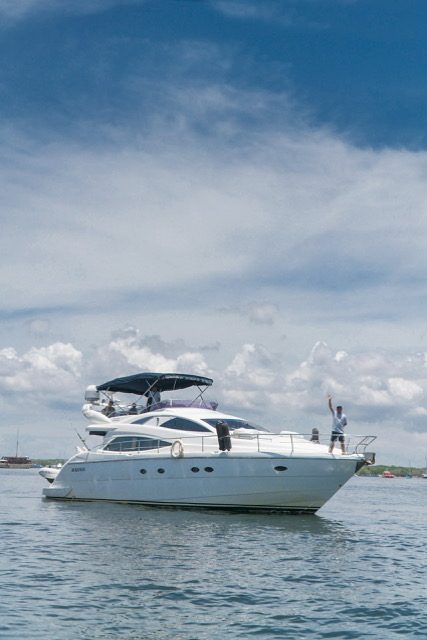
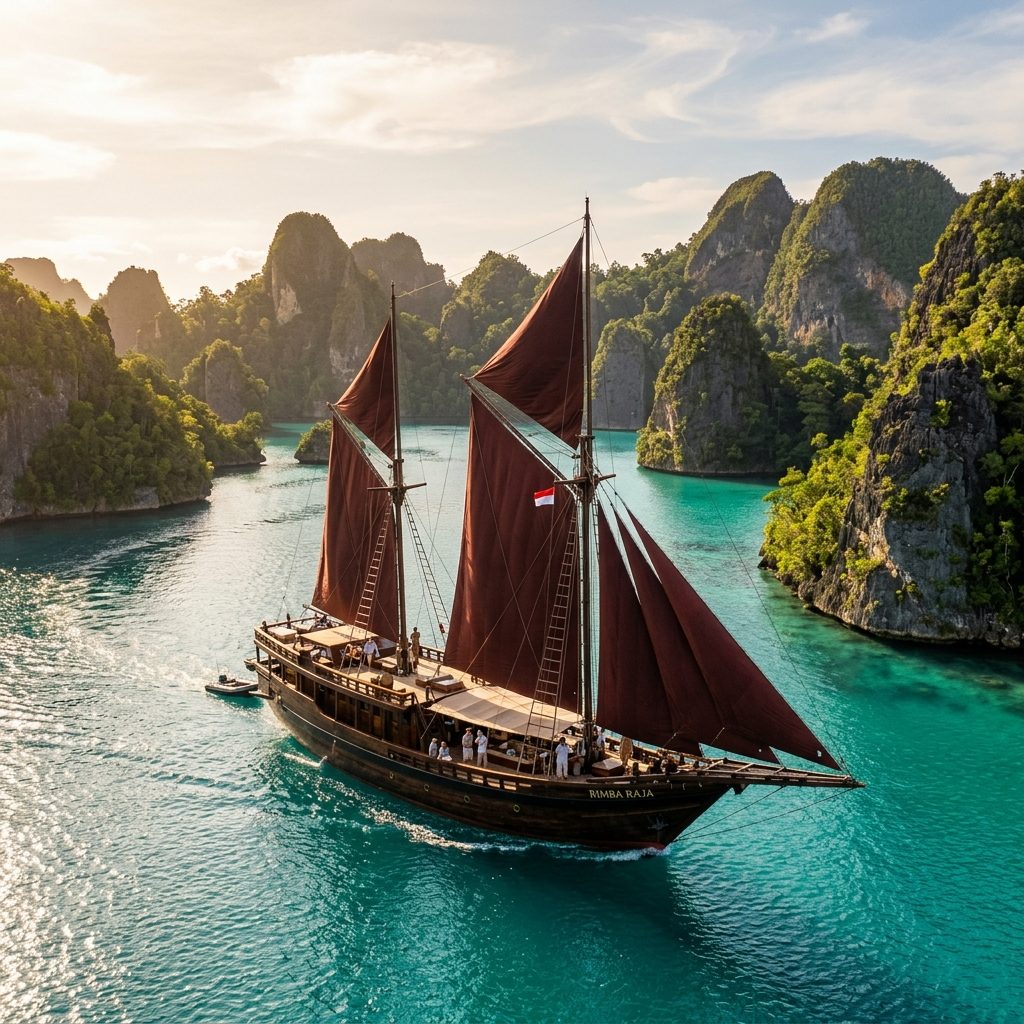
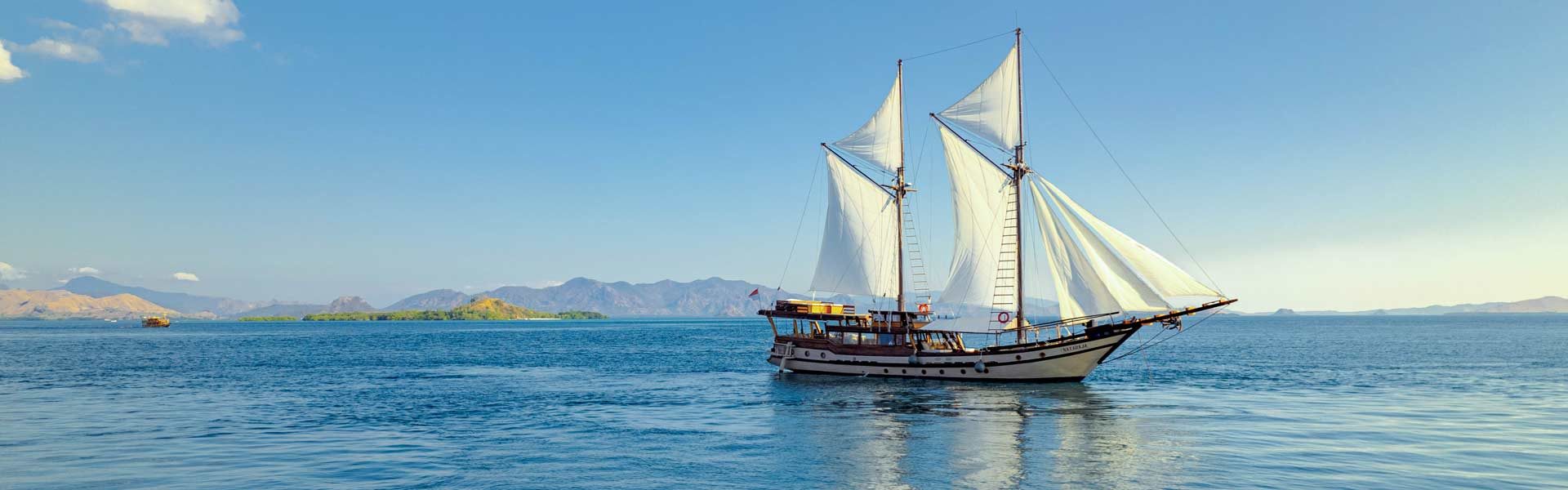
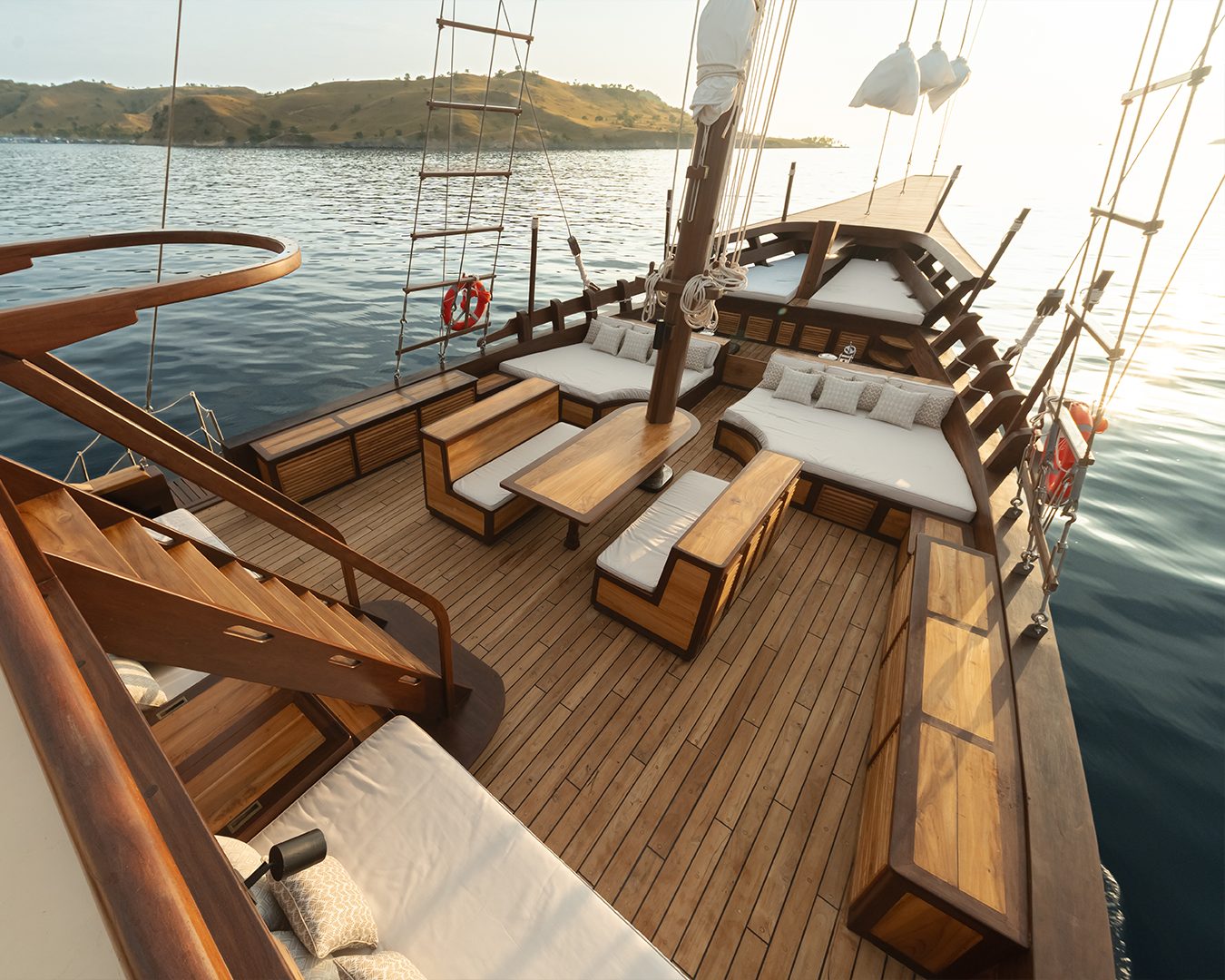
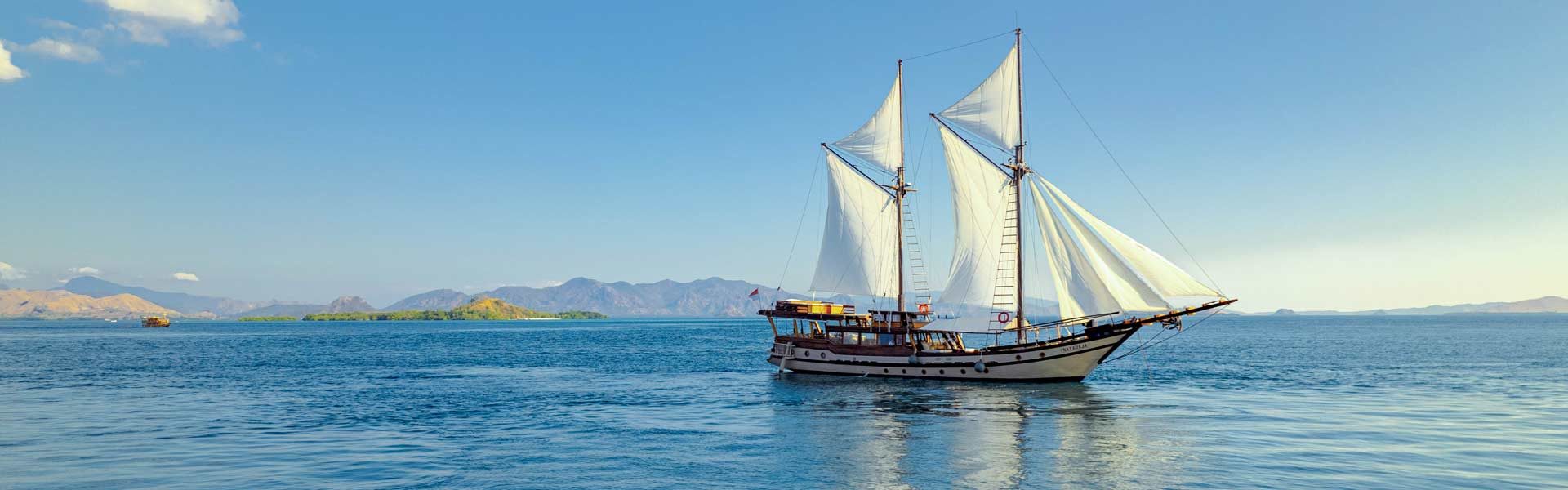
The boat itself is worth a paragraph. A Phinisi is a two-masted wooden sailing vessel of a design the Konjo boatbuilders of South Sulawesi have been refining for centuries — still built by hand, still shaped by eye rather than from a drawing. Ours had teak decks, air-conditioned cabins and an open lounge deck I spent most of the trip on. The galley turned out food considerably better than a boat that size has any business producing. I said so to the cook, repeatedly.
The man who makes the calls
Our expedition partner David is a Swedish mariner who has spent more than twenty years in these waters as a cruise director and expedition leader. He has built Phinisi vessels, owned them and run them. He is a dive master with over six thousand dives in Indonesia and he speaks Bahasa Indonesia fluently.
On paper that is a biography. On the water it is three decisions I watched him make in four days, none of which I would have made myself. He skipped a site on the second morning because the current was running wrong and said so without softening it. He moved Manta Point from the morning to the afternoon on a judgement about feeding. And after one rolling night at anchor he chose a different, flatter anchorage the following evening without anyone having to ask him.
That is what you are actually buying. The vessel is the hardware. The daily judgement about where to be and when is the thing that makes the difference between a good charter and a forgettable one.
The four days, as they happened
Day 1 · Labuan Bajo → Kelor → Menjerite → Kalong
Collected from the airport and aboard by early afternoon. The first stop is Kelor Island and a short hill walk — short being a relative term. It is twenty minutes and it is steep, and I discovered on it that I was rather less fit than I had assumed. The view at the top is the standard reward and it is worth the indignity.
Then Menjerite for an easy first snorkel in flat, clear water, and a late cruise to Kalong for the flying foxes. At dusk thousands of them lift out of the mangroves and cross the sky in a stream that takes twenty minutes to pass. Everyone on board tried to photograph it. Nobody succeeded. I recommend not trying.
Day 2 · Padar · Pink Beach · Komodo Island · Manta Point
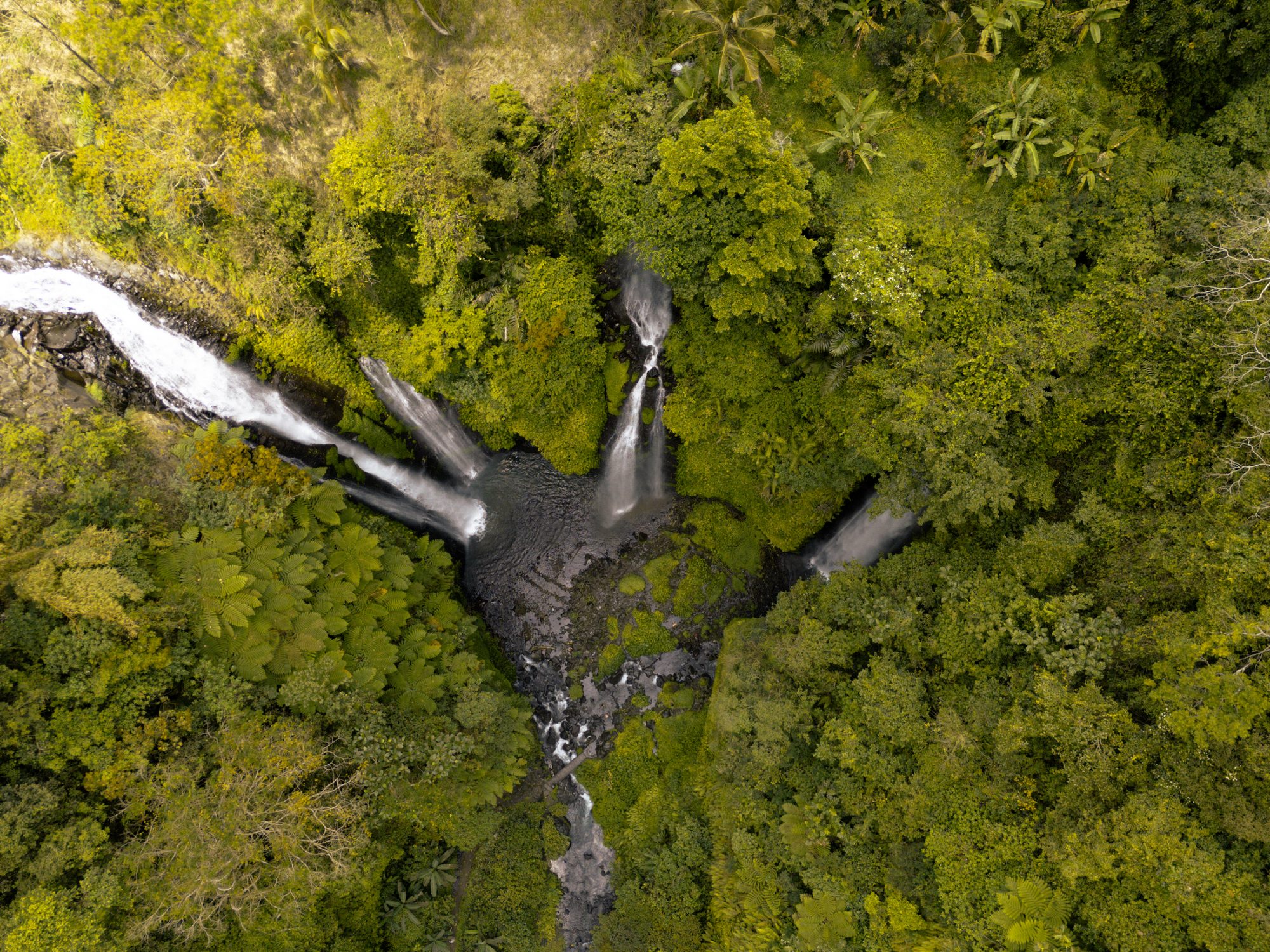
Up at half past four for Padar. This is the morning that justifies the whole liveaboard argument: we were on the ridge in the first light with a handful of others, and the day fleet did not begin arriving until we were already back aboard having breakfast. The photograph everyone knows — three bays, three beaches, three different colours of sand — is real, and it is better in person than in any version of it you have seen.
Pink Beach mid-morning, which is genuinely pink from crushed red coral. Then Komodo Island with a park ranger, which is the part people build the trip around and which is, honestly, quieter than expected. The dragons are enormous and entirely indifferent. They have seen a great many camera phones. You keep the distance the ranger sets, and you feel appropriately small.
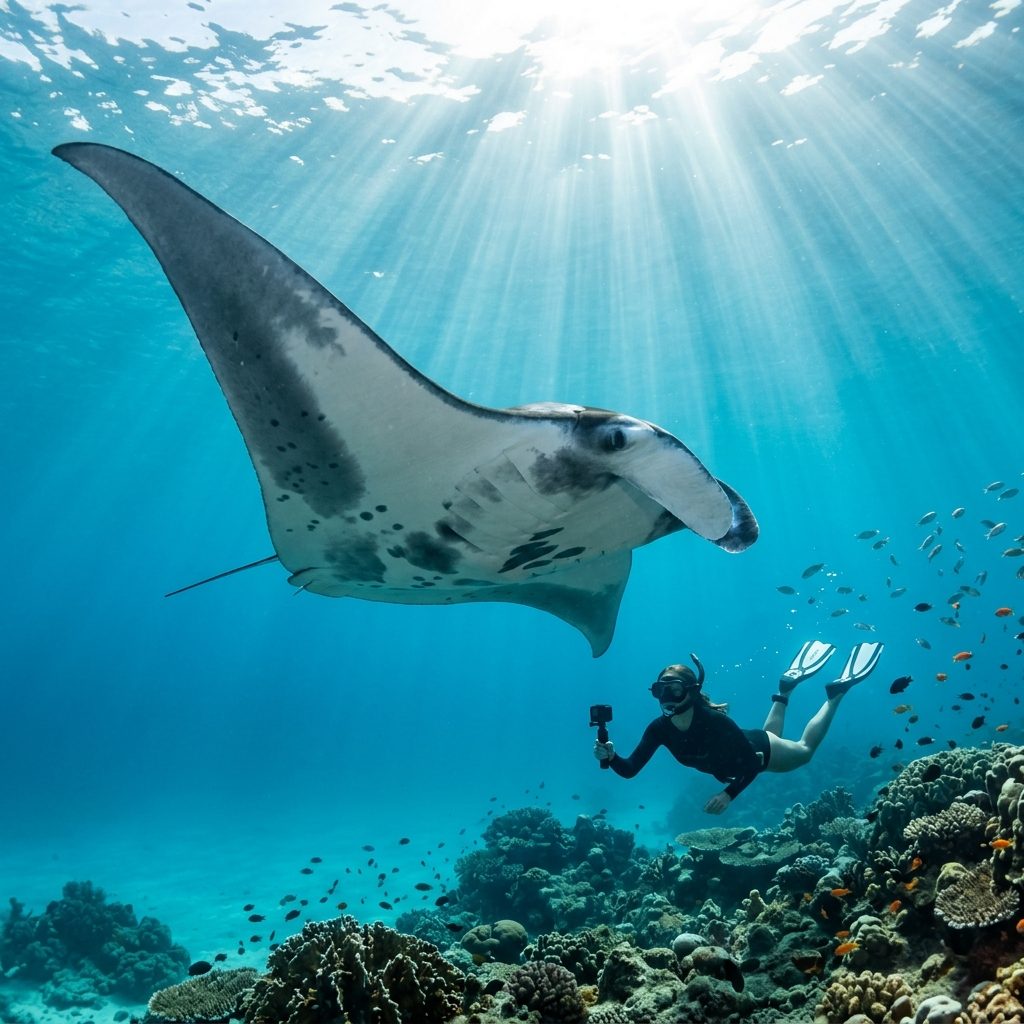
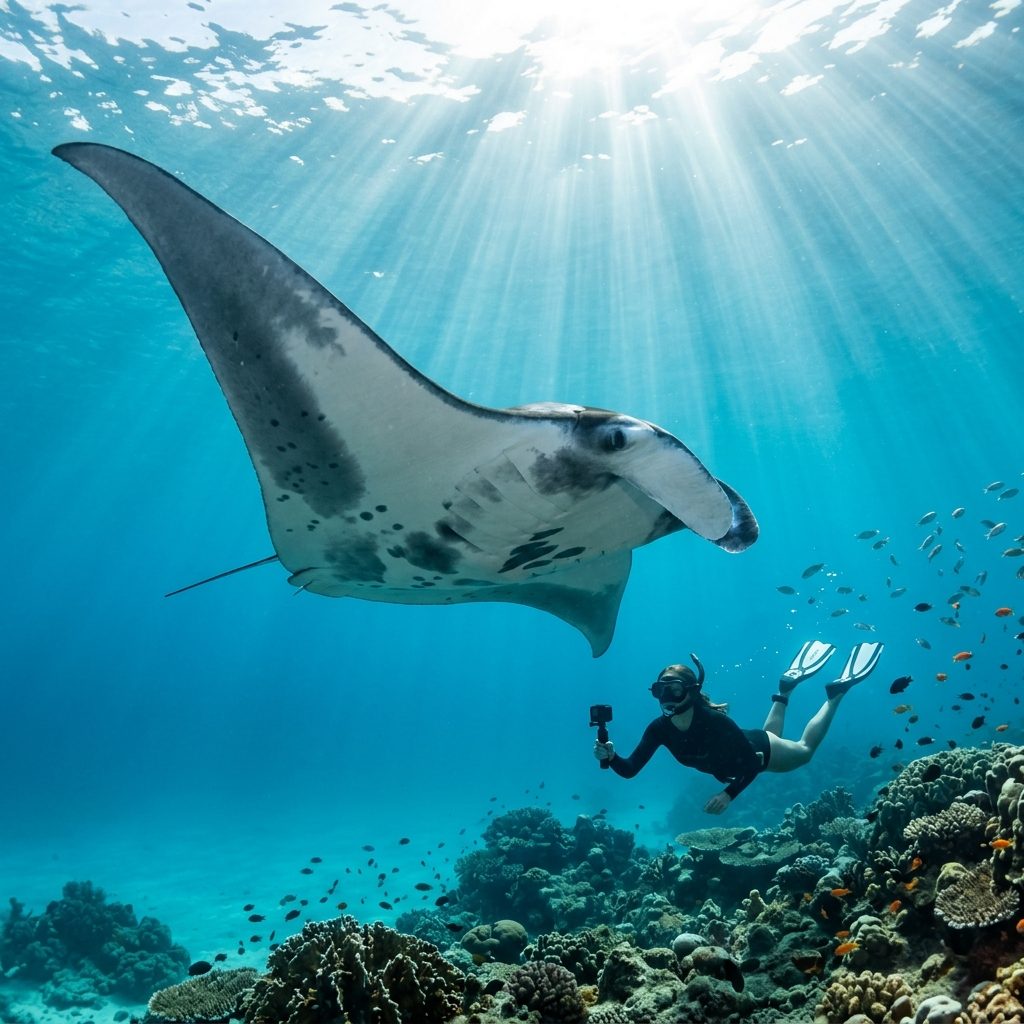
Manta Point in the afternoon, on David's call rather than the standard morning slot. We got three passes — one of them close enough that I stopped swimming entirely and simply floated while it went underneath me. I should say plainly that this is not guaranteed. Mantas are wild animals and some charters see none at all. Anyone who promises you otherwise is selling something.
Day 3 · Taka Makassar · Siaba · Sebayur
Taka Makassar first — a crescent sandbank in the middle of open water with nothing on it, which sounds unremarkable and is not. Then Siaba for turtles. I counted nine in under an hour, and I am aware how that sounds. One of our party could not swim and spent the session on the tender with a mask, face down over the side, and saw four of them.
Sebayur in the afternoon for a last long reef, then sunset drinks and the second night at anchor, which is the one I have already written about above.
Day 4 · Kanawa → Labuan Bajo
A final morning swim off Kanawa, breakfast under way, and back into the harbour by mid-morning. It is a short last day by design — you are on a flight out of Labuan Bajo that afternoon, and the boat gets you there without any of it feeling rushed.
Choosing the boat
The fleet runs from single-cabin vessels to nine-suite yachts, and the choice matters more than people expect. Broadly:
| If you are | The vessels that suit |
|---|---|
| A couple | Alexa (one cabin, complete privacy), Senja and Sanya — built for two, and it shows. |
| A family or small group | Splendour, Kelana, Nataraja and Dewata — three comfortable cabins and excellent value. |
| A larger celebration | Magia II, Samsara Samudra and Mutiara Laut host ten to fourteen guests in real style. |
| Taking the whole party | Prana — nine suites, eighteen guests, and one of the most spectacular Phinisi ever launched. |
Practical things I wish I had known
- April to September is the season. The southeast dry season gives you calm crossings, good visibility and the best chance at mantas. July to September is peak — book a long way ahead if you want a specific vessel.
- You need moderate fitness, not athleticism. Padar and Kelor are both short, steep climbs on loose ground in heat, before breakfast. Neither is technical. Both are more effort than the photographs suggest.
- Getting there is easy. Labuan Bajo (LBJ) is a ninety-minute flight from Denpasar with several daily services. Fly in the morning of embarkation; do not cut it to the same afternoon.
- Four days is the right first voyage. It covers everything the park is famous for without padding. If you are a serious diver, though, it is not enough — take the six-day Grand Voyage instead, which reaches the southern and central sites properly. I would rather say that than oversell this one.
- Bring less than you think. Swimwear, two changes of clothes, reef-safe sunscreen, a hat and something for the one cold hour before dawn on Padar. There is nowhere to wear anything else.
Would I do it again
I have already booked the six-day Grand Voyage, which probably answers the question. There is a mild awkwardness in now telling people not to do the thing I did the first time — but that is rather the point of writing this. The day boat is not a cheaper version of the liveaboard. It is a different experience with the same photographs.
You are not chartering a boat. You are chartering time inside a national park that everyone else has to leave at sunset.
Itineraries are indicative and subject to weather, sea and park conditions. Wildlife sightings, including manta rays, can never be guaranteed.
Frequently Asked Questions
What is the difference between a Komodo day boat and a liveaboard?
Day boats must leave Komodo National Park before dark; liveaboards do not. That single fact is the difference. Sleeping at anchor inside the park means climbing Padar at first light with a dozen people rather than several hundred, and having Pink Beach to yourself in the late afternoon after the day fleet has gone.
What is a Phinisi?
A Phinisi is a traditional two-masted Indonesian wooden sailing vessel, of a design the Konjo boatbuilders of South Sulawesi have refined over centuries — still built by hand and shaped by eye rather than from a drawing. Charter vessels are finished to boutique-hotel standard with teak decks, air-conditioned cabins and an open lounge deck.
Will I definitely see manta rays in Komodo?
No. Reef mantas are wild animals and some charters see none at all. Manta Point is reliable but never guaranteed, and any operator promising otherwise is overselling. Timing the site to feeding activity rather than the standard morning slot materially improves the odds.
When is the best time to visit Komodo National Park?
April to September, during the southeast dry season, gives calm crossings, good visibility and the best chance at mantas. July to September is peak season — book well ahead if you want a specific vessel.
How fit do I need to be?
Moderate fitness rather than athleticism. The Padar and Kelor climbs are both short but steep, on loose ground, in heat and before breakfast. Neither is technical; both are more effort than the photographs suggest.
Is four days enough for Komodo, or should I take a longer trip?
Four days covers everything the park is famous for and is the right first voyage. Serious divers should take the seven-day, six-night Grand Voyage instead, which reaches the southern and central sites — Manta Alley, Cannibal Rock and Horseshoe Bay — that a shorter itinerary cannot reach.