Siberut Rainforest & Indigenous Culture
Mentawai Tribe: Siberut Rainforest Journey & Shamanic Heritage
An immersive cultural journey into the ancient rainforests of Siberut Island — living alongside indigenous Mentawai shamans, the Flower Men of Sumatra.
Siberut Island, Mentawai Archipelago, West Sumatra • Cultural Expedition
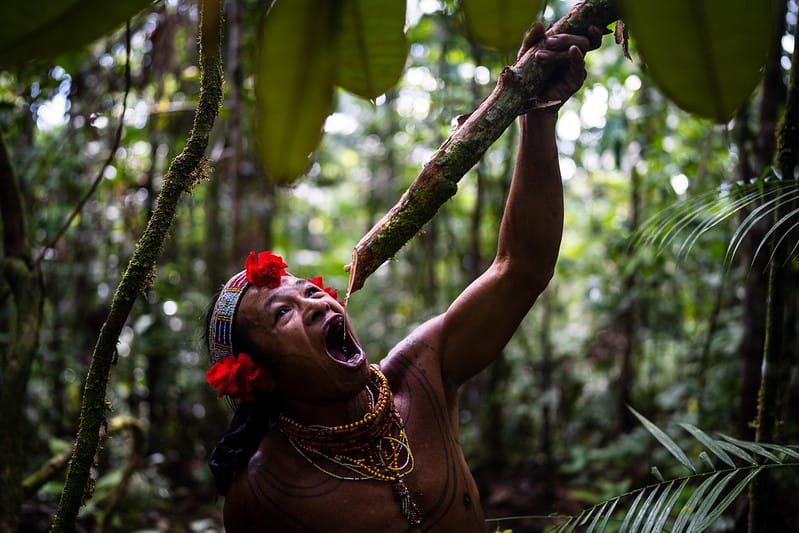
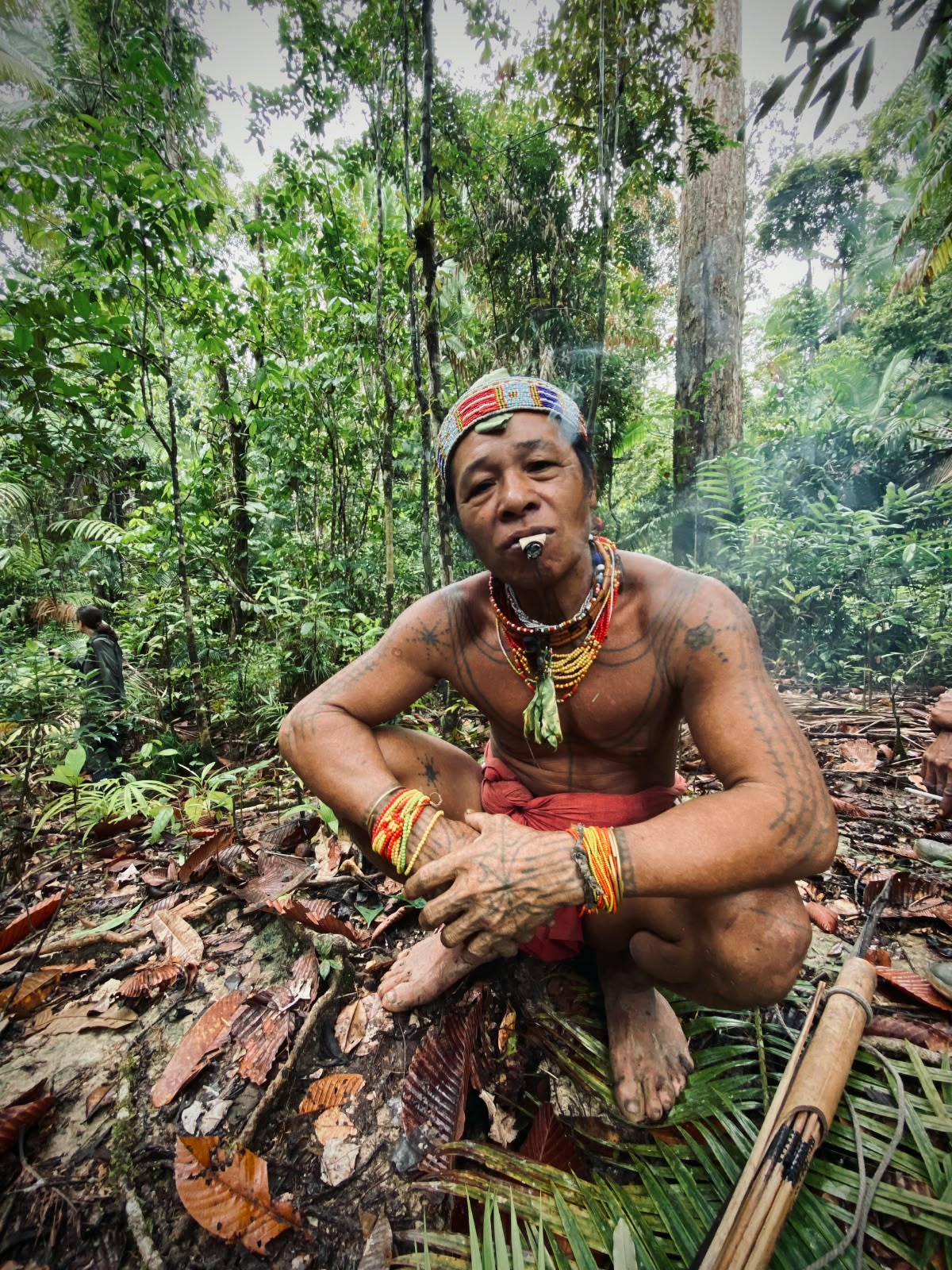
To step into the Siberut rainforest is to step outside modern time. The Mentawai people believe every leaf, river, animal, and stone possesses an immortal soul (simagere) that must be honored in balance.
The Archipelago and the Flower Men
The Mentawai archipelago consists of four primary islands off the western coast of Sumatra: Siberut, Sipora, North Pagai, and South Pagai. While modern development has touched the outer islands, the dense, roadless interior of Siberut remains one of the world's last sanctuaries of undisturbed indigenous culture.
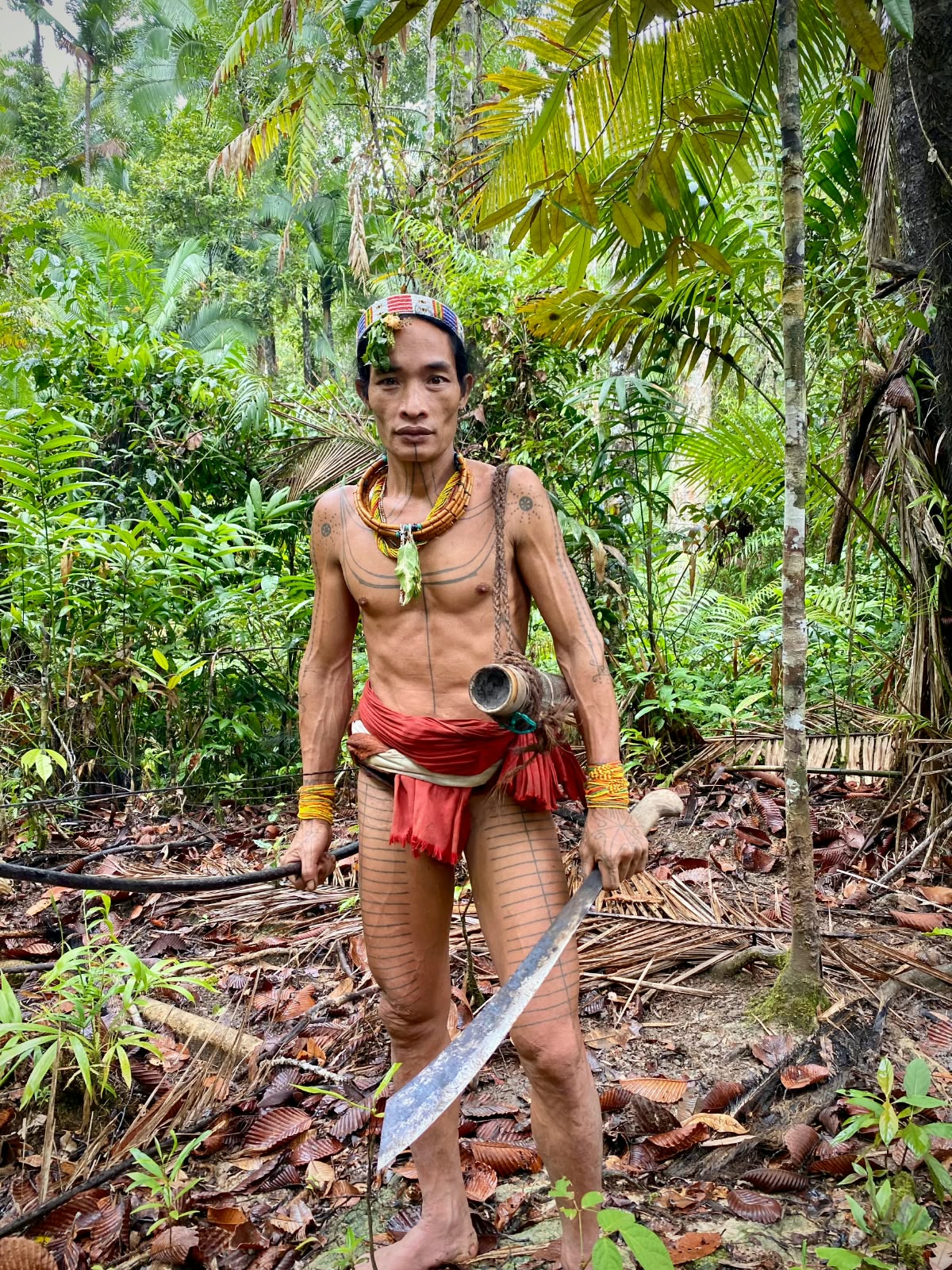
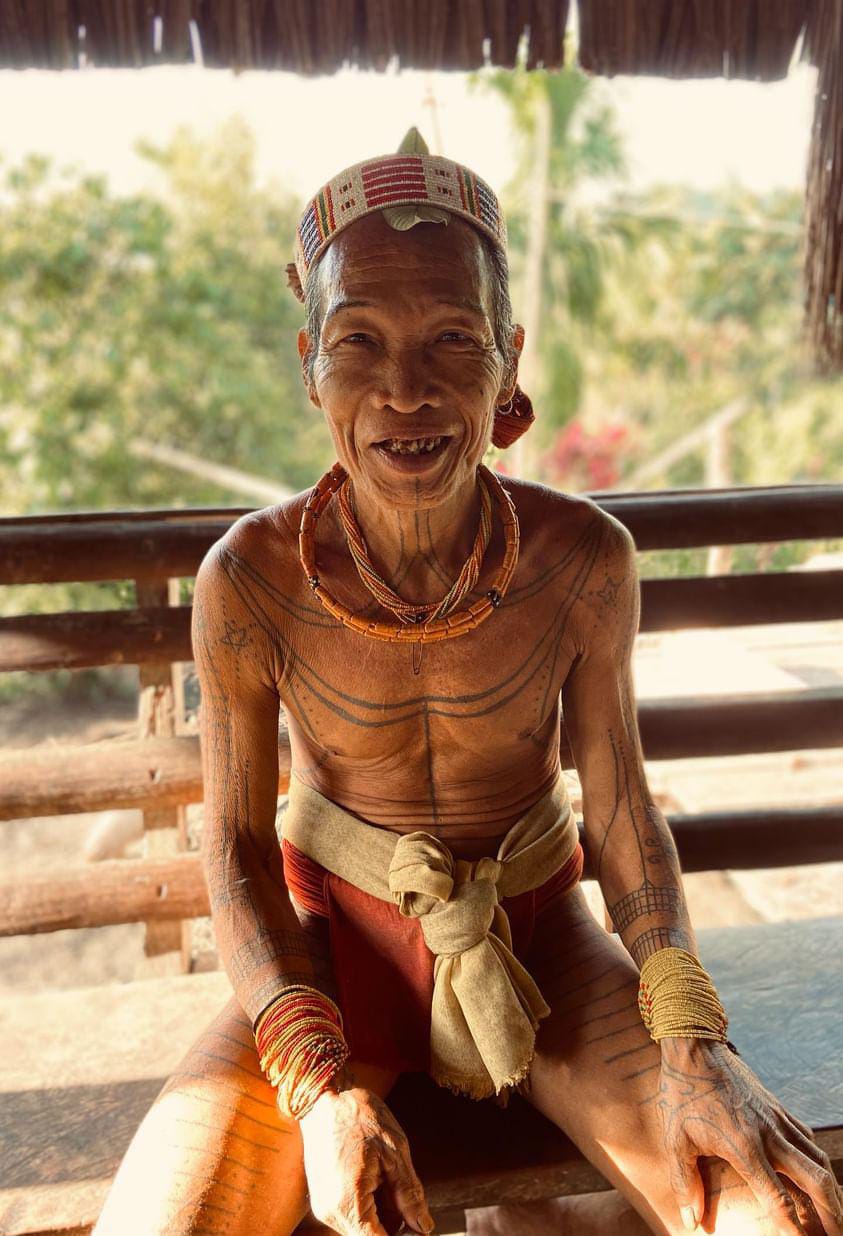
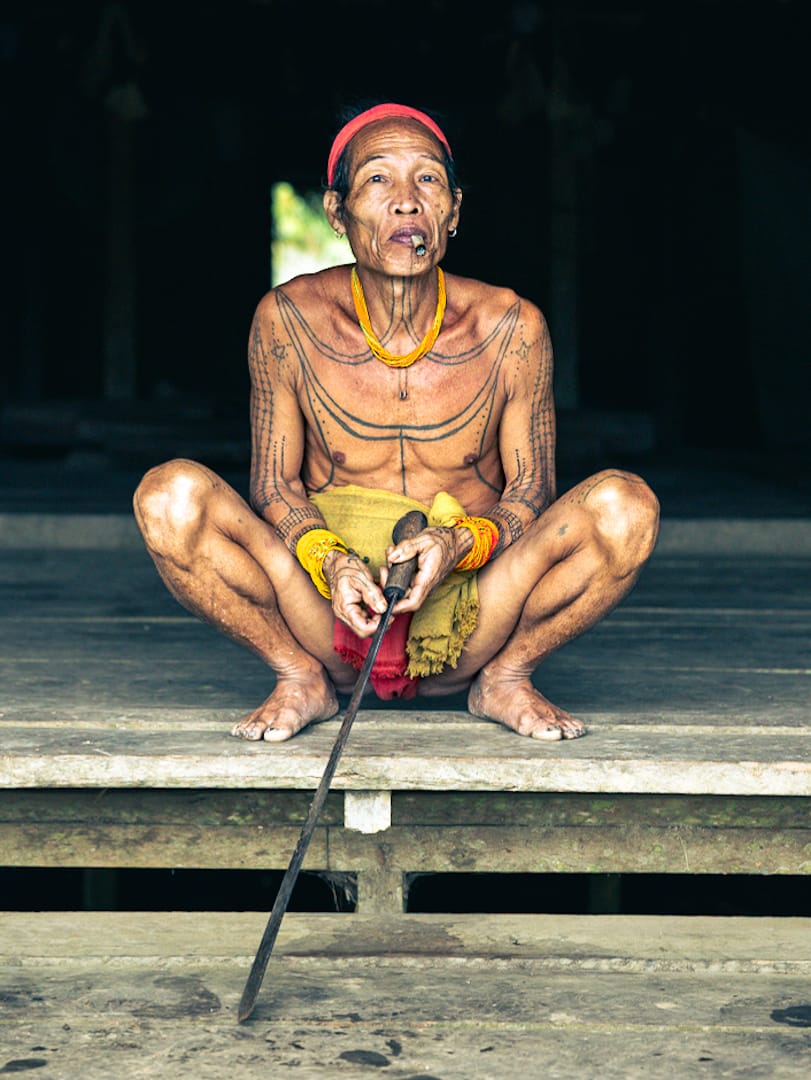
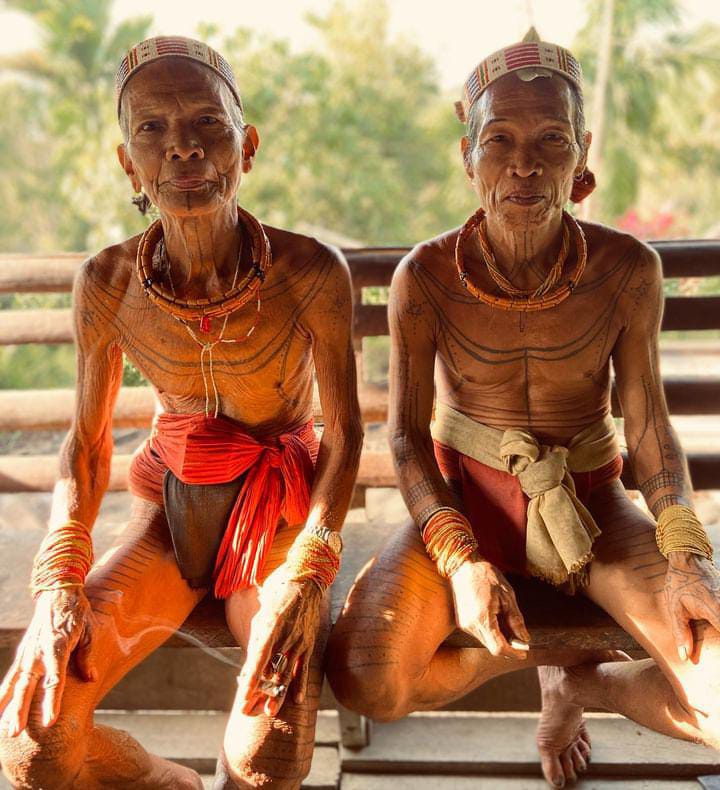
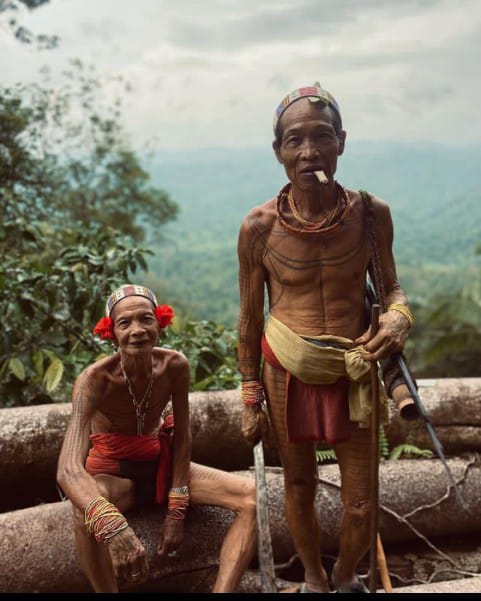
Here live the Mentawai Tribe — known affectionately as the Flower Men for their practice of adorning their hair and bodies with fresh jungle blooms, medicinal herbs, and hand-woven rattan beads. Having lived in isolation for thousands of years, their animistic belief system (Arat Sabulungan) maintains total equilibrium between humanity and the spirits of the rainforest.
Living in the Uma Longhouse
Mentawai community life revolves around the Uma — a communal timber longhouse elevated on hardwood stilts. Constructed entirely without nails, these sprawling open-air dwellings serve as clan homes, meeting grounds, and ritual shrines lined with ceremonial wood carvings and ancestral totems.
The Wisdom of the Sikerei (Shamans)
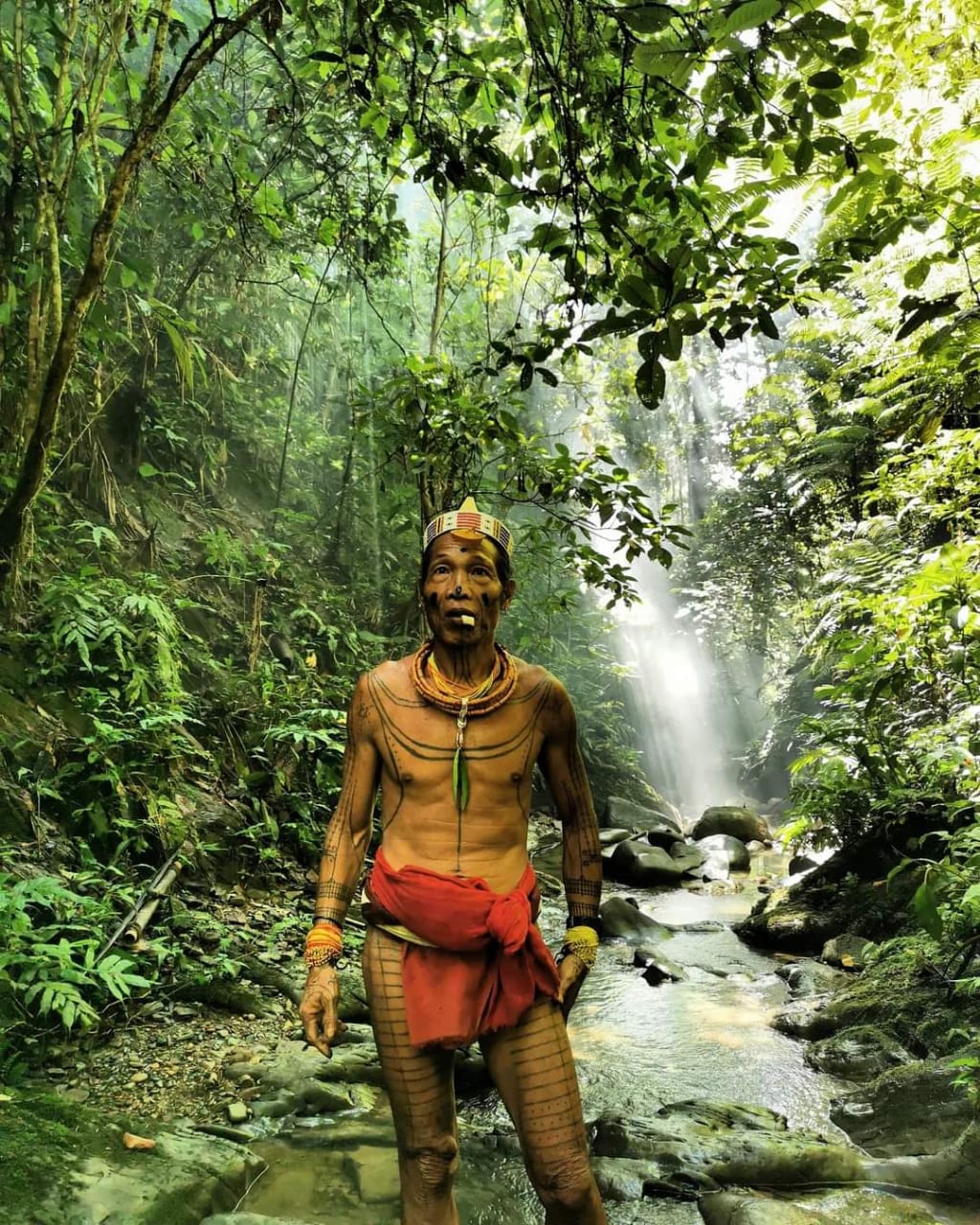
At the spiritual core of every clan is the Sikerei — the tribal shaman, medicine healer, and keeper of oral history. The Sikerei possess an encyclopedic knowledge of thousands of rainforest plants, utilizing botanical roots, leaves, and resins for natural medicine and ceremonial purification.
Self-Sufficiency and Sago Harvesting
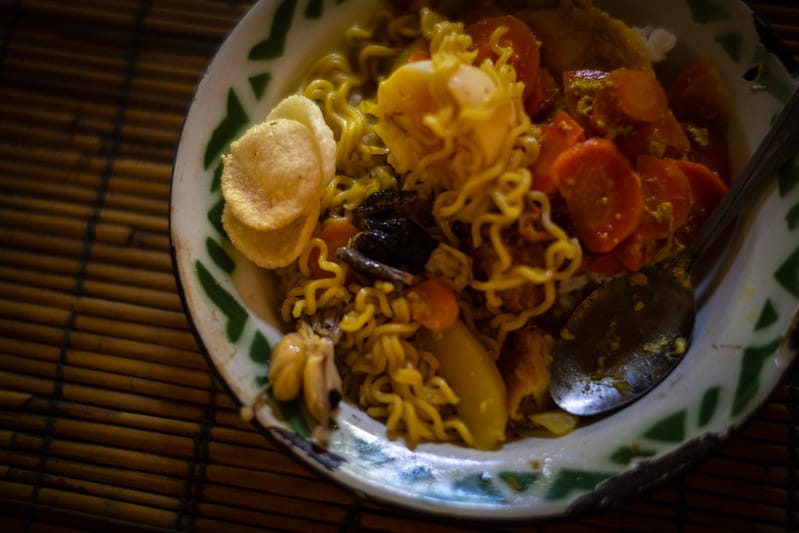
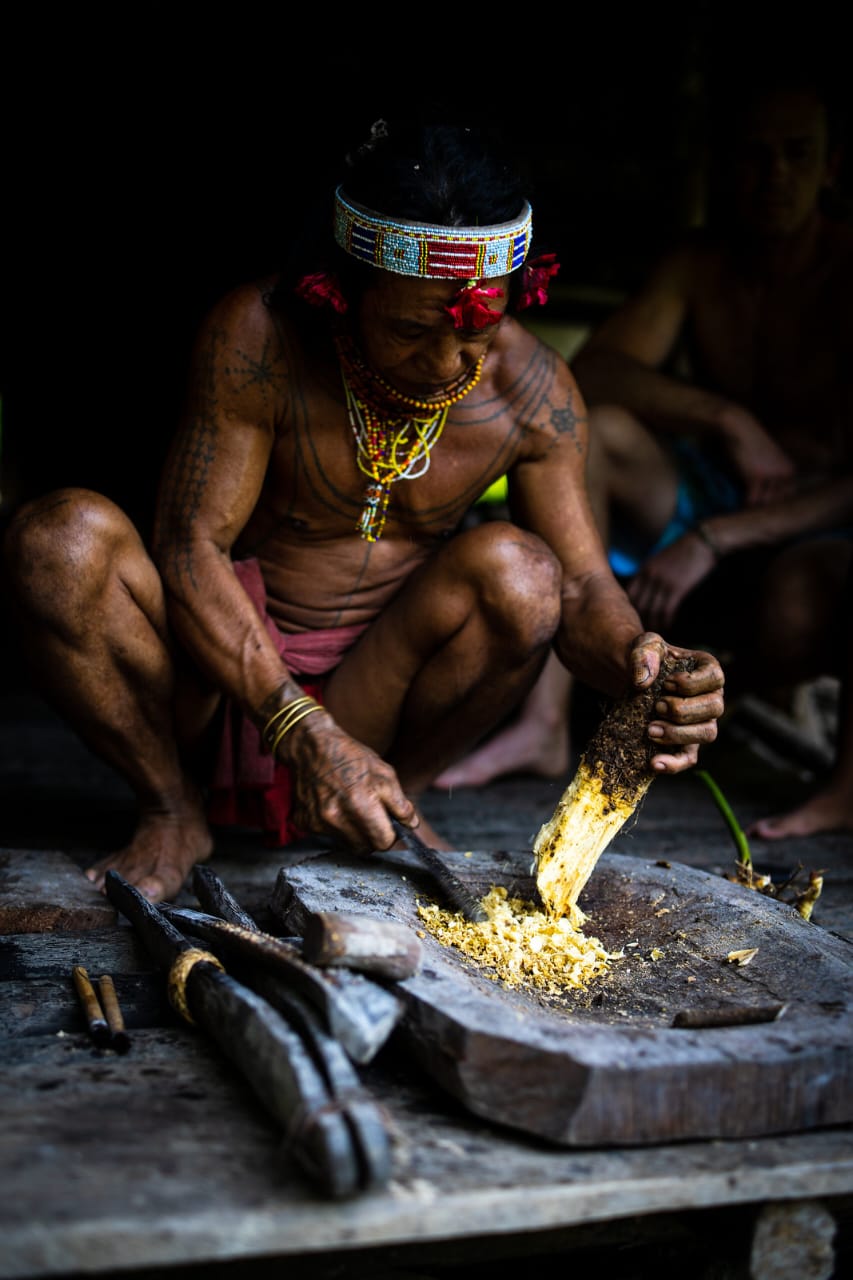
The Mentawai maintain complete food independence from the outside world. Their staple diet centers around the starch extracted from wild sago palms, complemented by river fish, foraged jungle greens, and forest cultivation.
Frequently Asked Questions
How do you travel to the Mentawai Tribe on Siberut Island?
From Padang in West Sumatra, a fast ferry crosses the ocean to Siberut Harbour. From there, travel into the deep rainforest interior is conducted via motorized dugout wooden canoes and guided trekking on foot.
Where do guests sleep during the expedition?
Guests stay as welcomed clan visitors directly inside the traditional wooden Uma longhouses, sleeping on woven mats with mosquito nets and experiencing authentic tribal daily life.
Is this travel experience ethical and respectful?
Yes. NatureLust operates with strict ethical cultural protocols, partnering directly with local clan elders and providing fair financial compensation that supports indigenous cultural preservation and forest rights.